Teaching Classical Dance to Children Who Had Never Seen India
For second-generation Indian-Americans, Kuchipudi became a bridge back to their roots — a language waiting to be remembered.
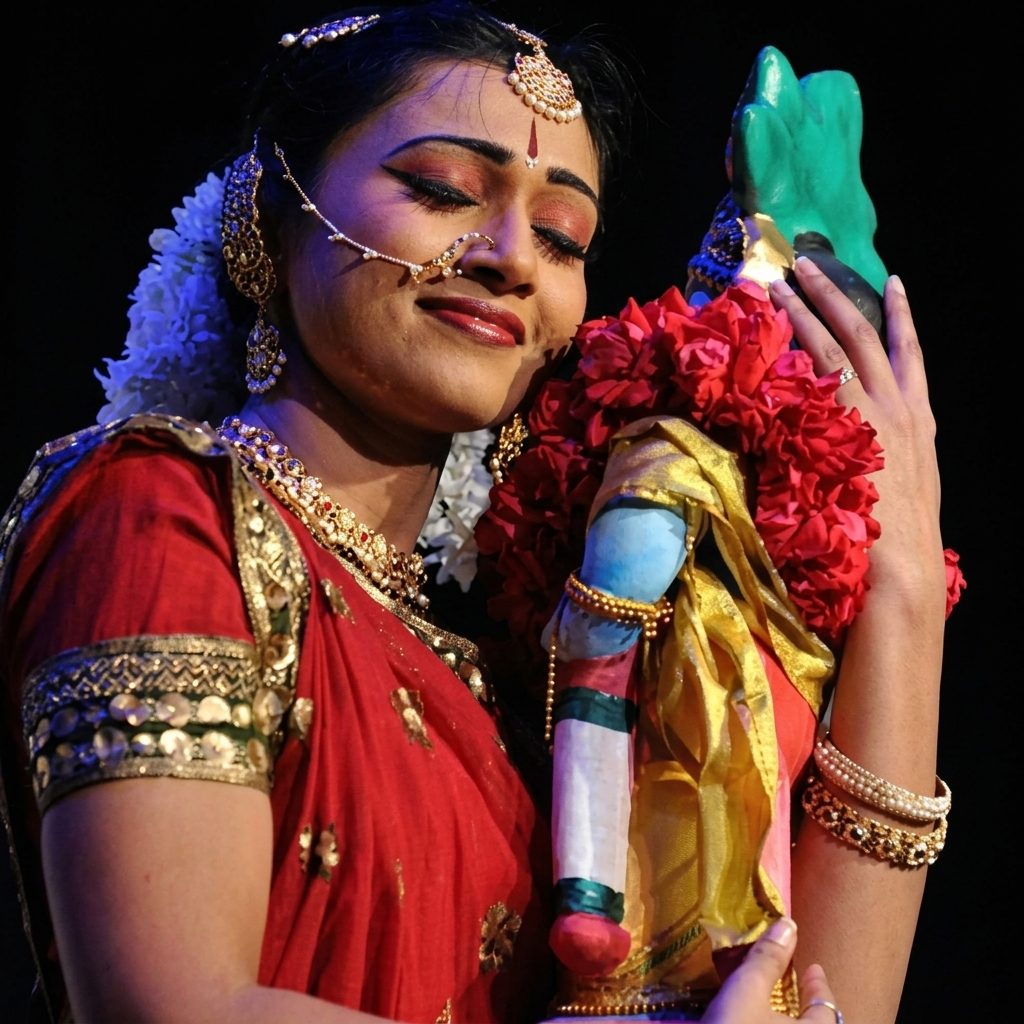
Riya was nine years old when she performed her first adavu in front of an audience. She got the footwork right. She kept the beat. Afterward, her grandmother — visiting from Vijayawada for the first time — could not stop crying.
The grandmother did not speak English. Riya did not speak Telugu. But in that moment, in a Frisco community hall that smelled of agarbatti and filter coffee, they understood each other completely.
This is what Echoes of India has been quietly building for over a decade: not a dance school, but a translation service. A way for children born in the DFW suburbs to find their way back to a heritage they inherited but never fully inhabited.
The Path
A Student's Journey
First Steps
Parents enrol their children hoping to connect them with heritage. Most kids don't know what Kuchipudi is — or why it matters.
The Grind
Adavus, footwork patterns, posture corrections. Saturday mornings when other children sleep in. But something begins to click.
Understanding
Students begin to grasp the mythology. Krishna, Radha, the Mahabharata. Stories that grandparents know by heart become their own.
Identity
Classical dance stops being 'what my parents make me do' and becomes something fiercely personal — a bridge no passport can replace.
The Debut
A solo debut performance of two or more hours. Family flies in from across the world. Grandparents see their grandchildren — really see them — for the first time.
What the Dance Teaches
Beyond the Steps
Rhythm
Carnatic talam cycles train a mathematical precision in students that carries into every part of their lives.
Expression
The nine rasas — joy, sorrow, fury, love — give students an emotional vocabulary richer than any language.
Lineage
Tracing a mudra back through a guru's guru to the bhakti poets gives students a sense of deep belonging.
The children of Echoes of India are not performing India for their parents. They are discovering it for themselves. The difference matters. When a teenager chooses to continue her training past the age when her friends have quit — when she begins to choreograph her own pieces and teach the younger students — she is not fulfilling an obligation. She is exercising a claim.
A claim on a tradition that is hers by birthright, even if birthright is all it was — until the dance made it real.
“I was born in Texas. But when I dance, I come from somewhere much older.”
— Riya, student since age 9, now 17
End of story
Your Dollar Sustains
an Artist & Saves a Life
Every donation to Echoes of India fuels two vital missions. You preserve a 2,000-year-old art form while delivering clean water to families who need it most.