Bharatanatyam
and the
Diaspora Dream
For second-generation Indian-Americans, classical dance became a bridge back to their roots — and a language they never knew they were missing.
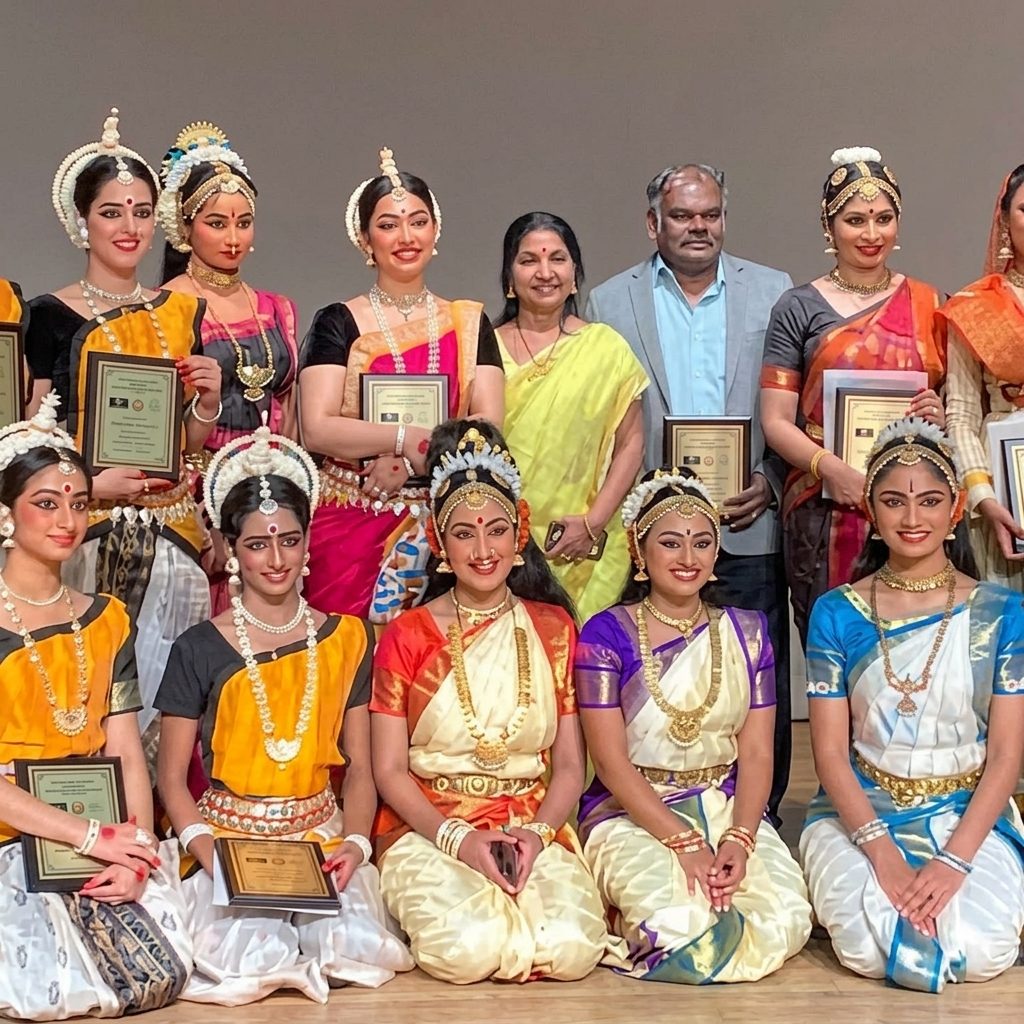
Saturday mornings in Frisco begin like this: a strip-mall studio, smell of agarbatti, a Carnatic raga warming up on the speaker, and twelve girls in churidars who are about to spend three hours finding out who they are.
Most of them were born in the United States. Some have never been to India. Several cannot read Telugu. But when the instructor calls an adavu — a foundational movement sequence — their bodies respond with something that predates cognition, a muscle memory for a culture they inherited but never lived.
This is not unusual. Across the Indian diaspora, classical dance has served for decades as a cultural anchor — the one practice that transmits not just steps but a whole cosmology: the Panchabhutas, the nine rasas, the stories of Krishna and Sita that grandparents knew by heart. But what is unusual here is the rigour. These are not casual Bollywood-fusion classes. Echoes of India teaches to a syllabus designed with masters from Andhra, aimed at producing dancers of real classical depth.
Their Words
The Students Speak
“My grandparents don't speak much English. When I dance for them, they understand everything I am trying to say.”
Ananya, 16
Plano, TX
“I used to feel split in two. Like there was an American me and an Indian me. Dance made them the same person.”
Meera, 14
Frisco, TX
“I began at age eight. Now I teach the younger girls. Something that started as my mom's wish became my identity.”
Priya, 19
McKinney, TX
The Practice
More Than Steps
A classical Bharatanatyam training involves years before a single public performance. The curriculum covers nritta (pure dance), nritya (expressive), and natya (dramatic). Students learn Sanskrit shlokas, Carnatic rhythms, and the iconographic hand gestures — mudras — that encode thousands of years of devotional poetry.
For children who grew up on YouTube and Spotify, this discipline can be a revelation: a practice that demands sustained attention, physical precision, and emotional vulnerability all at once.
The Bridge
Connecting Continents
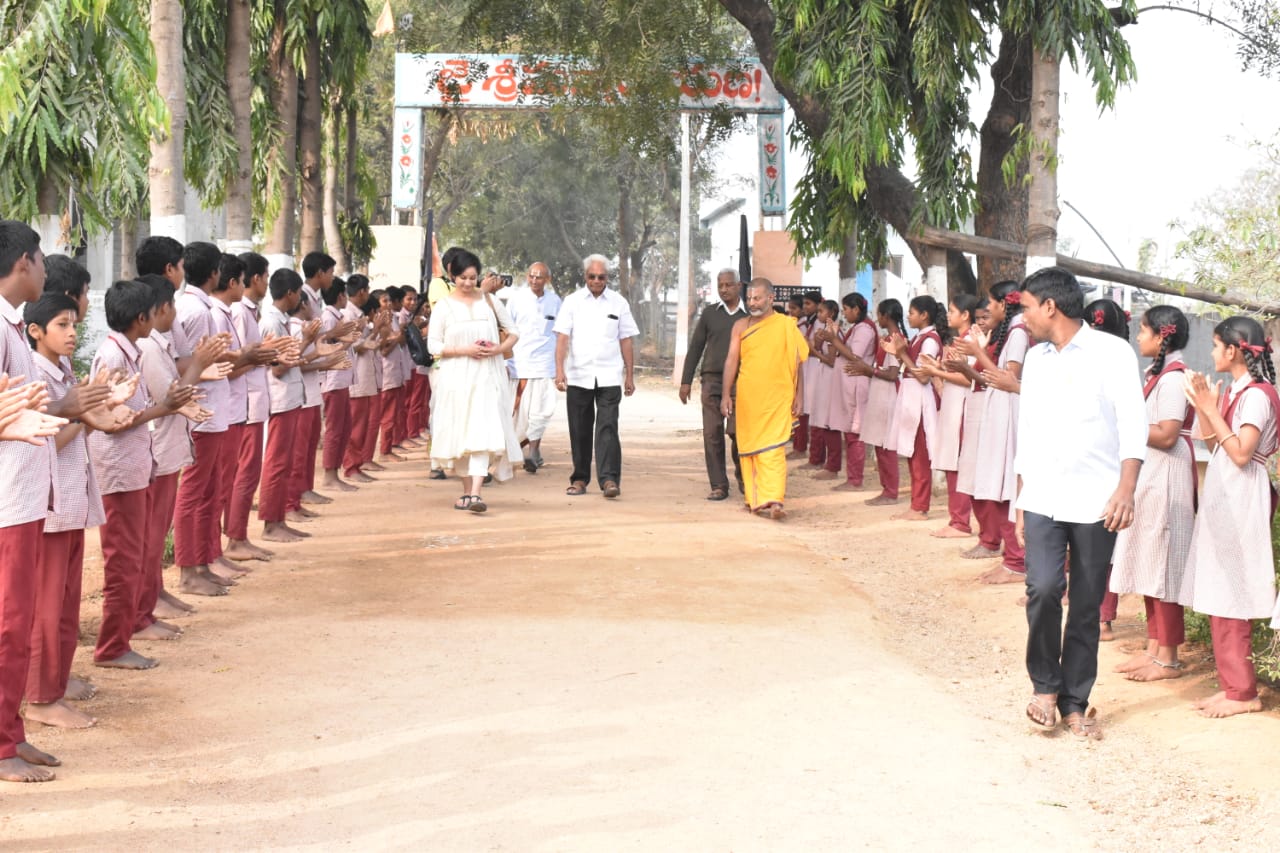
Every year, Echoes of India brings masters from Andhra Pradesh to work with students directly. These masterclasses do more than sharpen technique — they create a living link across ten thousand miles, a transmission from source to diaspora that no YouTube tutorial can replicate.
Students who have never been to India find themselves learning from teachers whose lineage traces directly to Kuchipudi village — and something in the encounter changes them. They begin to understand their heritage not as a set of customs but as a living, breathing, demanding art.
The arangetram — the debut solo performance that marks the end of a student's foundational training — is a rite of passage that families save for, prepare for, celebrate. In a Frisco ballroom, with grandparents flown in from Hyderabad and cousins watching on Zoom, a seventeen-year-old in full Bharatanatyam regalia completes her first two-hour solo. The audience erupts.
She was born here. She has never lived in India. But in that moment, the distance collapsed — and she was exactly where she belonged.
“I used to wonder where I was from. Now I know I carry it with me everywhere I go.”
— Priya, 19, student since 2014
End of story
Your Dollar Sustains
an Artist & Saves a Life
Every donation to Echoes of India fuels two vital missions. You preserve a 2,000-year-old art form while delivering clean water to families who need it most.